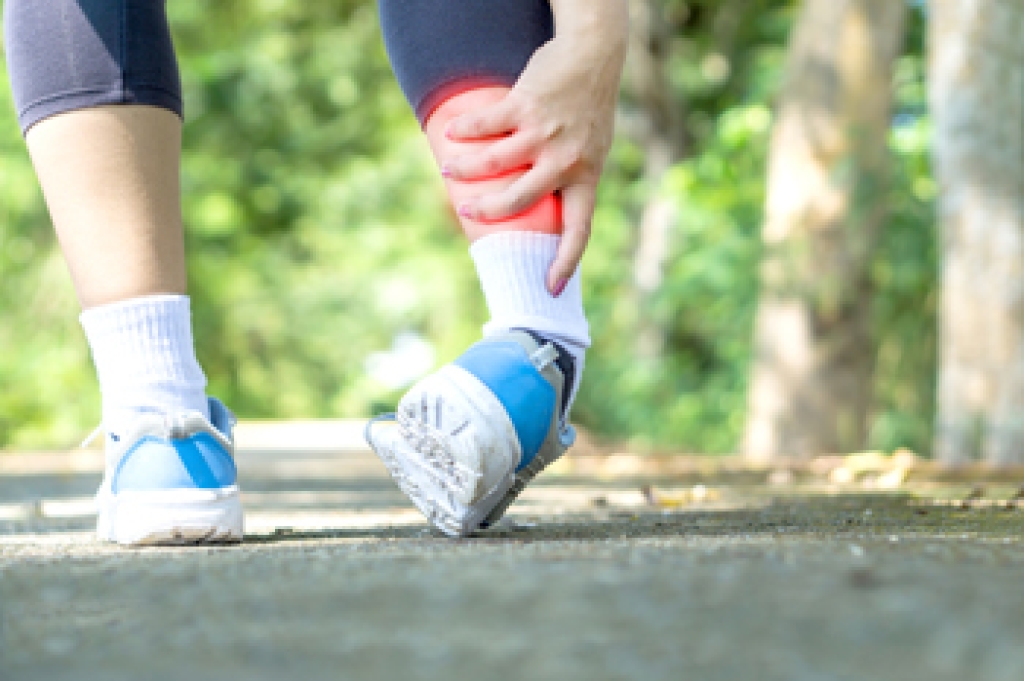
Preventing running injuries begins with understanding how footwear supports the foot during repetitive movement. Running places repeated stress on the bones, joints, and soft tissue structures of the feet. Without proper protection, this stress can lead to common conditions, such as plantar fasciitis, stress fractures, and tendon irritation. Running shoes are designed to reduce impact forces, improve alignment, and provide stability. Selecting the correct pair is one of the most effective ways to reduce injury risk and maintain long-term foot health.
Symptoms of wearing improper footwear develop gradually and include heel pain, arch discomfort, shin pain, or ankle instability. Runners may also notice blisters, calluses, or uneven wear patterns on their shoes. These signs suggest that the foot is not receiving adequate support or shock absorption. Over time, this can increase strain on ligaments and tendons, leading to chronic injury. Recognizing early symptoms allows runners to make timely adjustments before more serious conditions develop.
Several risk factors contribute to running-related injuries. Included are poor shoe fit, worn out footwear, and biomechanical imbalances like flat feet or high arches. Shoes that lack proper cushioning fail to absorb impact, while those without stability features can allow excessive inward or outward foot motion. Motion control and stability shoes are designed to guide the foot into a more neutral position, which helps reduce strain. Matching shoes to an individual's running style and gait pattern is essential for proper support.
Choosing the right running shoe involves proper sizing, adequate arch support, and selecting a design that aligns with your running mechanics. A well-fitted shoe should provide enough room in the toe box while securing the heel. Shock absorbing materials and structured midsoles help protect the foot during impact. A podiatrist can evaluate gait and recommend appropriate footwear based on individual needs. If you have foot pain while running, it is suggested that you consult a podiatrist for effective relief tips and guidance on choosing shoes for pain-free running.
All runners should take extra precaution when trying to avoid injury. If you have any concerns about your feet, contact Elie C. Daniel, DPM of Illinois. Our doctor will treat your foot and ankle needs.
How to Prevent Running Injuries
There are a lot of mistakes a runner can make prior to a workout that can induce injury. A lot of athletes tend to overstretch before running, instead of saving those workouts for a post-run routine. Deep lunges and hand-to-toe hamstring pulls should be performed after a workout instead of during a warmup. Another common mistake is jumping into an intense routine before your body is physically prepared for it. You should try to ease your way into long-distance running instead of forcing yourself to rush into it.
More Tips for Preventing Injury
- Incorporate Strength Training into Workouts - This will help improve the body’s overall athleticism
- Improve and Maintain Your Flexibility – Stretching everyday will help improve overall performance
- “Warm Up” Before Running and “Cool Down” Afterward – A warm up of 5-10 minutes helps get rid of lactic acid in the muscles and prevents delayed muscle soreness
- Cross-Training is Crucial
- Wear Proper Running Shoes
- Have a Formal Gait Analysis – Poor biomechanics can easily cause injury
If you have any questions, please feel free to contact our offices located in Princeton, Peru, and Mendota, IL . We offer the newest diagnostic and treatment technologies for all your foot care needs.
